
Monthly money reviews often fail because they have no finish line. You open several accounts, fix random categories, stare at totals, and leave without deciding anything. A 20-minute boundary forces a better sequence: verify, understand, look ahead, act.
Before the timer: prepare one workspace
Gather the account balances and transaction history you need. This can be a spreadsheet, notebook, or finance app. Have the previous month's plan and your recurring-expense list nearby. Then silence notifications and set a 20-minute timer.
The routine assumes transactions are entered or available. If you have months of missing history, do a separate setup session first. The monthly review should be repeatable maintenance, not a reconstruction project.
Minutes 0–3: confirm balances and missing activity
Check each tracked account against its latest posted balance. Look for missing transactions, duplicates, and transfers recorded as expenses. Confirm that credit-card payments were not counted a second time after the original purchases.
If something does not reconcile quickly, note the difference and the last transaction you know is correct. Schedule a separate investigation. A small historical discrepancy should not consume the entire review.
Minutes 3–8: clean categories and scan spending
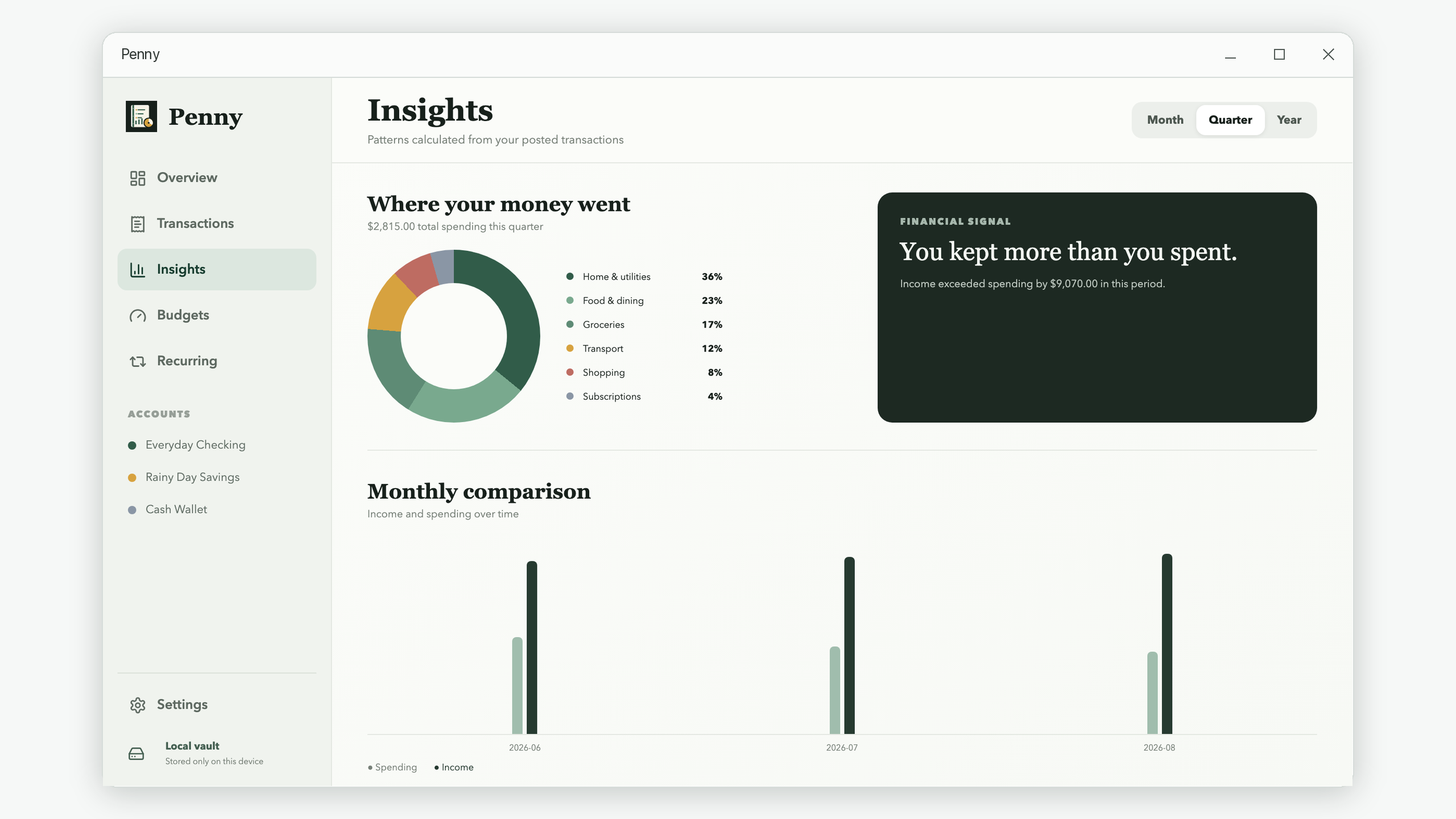
Correct uncategorized or obviously miscategorized activity. Then compare category totals with the previous month or a recent average. You are looking for meaningful movement, not interrogating every purchase.
Ask three questions:
- Which category changed the most in dollars?
- Was the change expected, temporary, or likely to continue?
- Is there a decision available, or is this simply context?
A higher medical total after one appointment may need no behavior change. A steadily increasing delivery total may reveal a routine worth redesigning. The story matters more than whether a chart is green or red.
Minutes 8–12: compare the plan with reality
Review planned versus actual spending by category. Focus on the largest differences and avoid treating every overage as a failure.
| What you see | Possible interpretation | Useful response |
|---|---|---|
| One-time overage | Unusual event | Document it; avoid distorting next month |
| Same overage for three months | Target is unrealistic or habit has changed | Raise the target or change the routine |
| Large amount consistently unused | Target may be unnecessarily high | Redirect part to another priority |
| Several categories over together | Income or fixed-cost pressure | Review the overall plan, not one category |
If you are building the next month's budget, change estimates using this evidence. Do not rewrite prior history to make the plan look accurate.
Minutes 12–16: look 30 days ahead
Review the next month for recurring bills, annual renewals, expected income, travel, school costs, appointments, or events. Confirm that the right payment account will have enough money at the right time.
For optional renewals, decide before the cancellation deadline. For a known annual cost, make or adjust a sinking-fund contribution. If income timing and bill timing do not line up, plan a transfer now rather than relying on memory.
Minutes 16–20: choose one action and record it
The review ends with one specific action. Good actions have a verb, an amount or deadline, and a reason:
- Cancel the unused design subscription before August 18.
- Move $75 from dining to the car-maintenance reserve.
- Increase the grocery target by $40 because the last three months exceeded it.
- Call the internet provider by Friday and compare the renewal offer.
- Set a weekly transport check because costs are rising.
“Spend less” is not an action. “Review finances more often” is not an action. Choose something observable that will improve the next decision.
Use a tiny monthly scorecard
Record only a handful of numbers so the routine stays readable over time:
- income received;
- total expenses;
- amount saved or extra debt repaid;
- largest meaningful category change;
- next month's chosen action.
You can add net worth if it helps with long-term direction, but monthly market changes can overwhelm the signal. A review should connect controllable behavior with upcoming needs.
The complete 20-minute checklist
- 0–3 minutes: confirm posted balances, transfers, and missing activity.
- 3–8 minutes: clean categories and find the largest meaningful change.
- 8–12 minutes: compare actual spending with the plan.
- 12–16 minutes: review the next 30 days of bills, renewals, and income.
- 16–20 minutes: choose one specific action and record the deadline.
- Save the scorecard and put the next review on the calendar.
When the review should take longer
Twenty minutes is for a stable monthly routine. Set aside a separate session after a major income change, move, new debt, family change, tax event, or several months without records. Those situations require planning, not speed.
Likewise, a deep quarterly review can examine insurance, fees, savings targets, and longer-term trends. Keeping that work separate protects the simplicity of the monthly habit.
Frequently asked questions
When should I do the monthly review?
Choose a repeatable time shortly after the month ends, when most activity has posted but the new month is not far underway.
What if the accounts do not reconcile in 20 minutes?
Note the difference and last confirmed transaction, then schedule a separate troubleshooting block. Do not skip the forward-looking part of the review.
What is the most important result?
One specific next action based on verified numbers and upcoming commitments. Information without a decision is only a report.